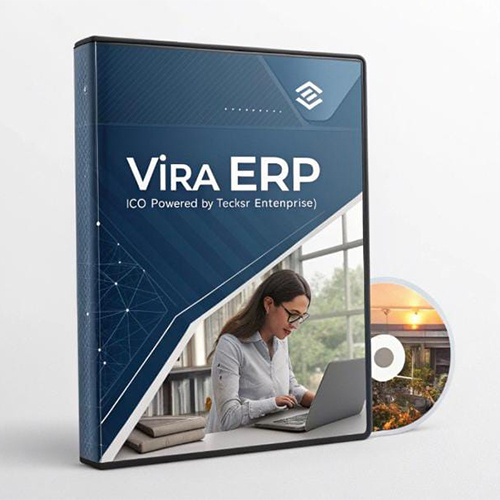
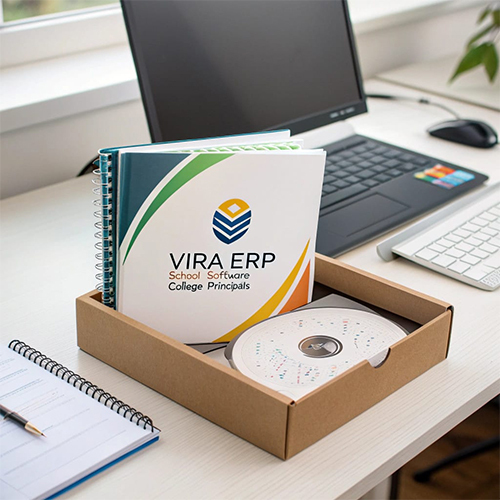
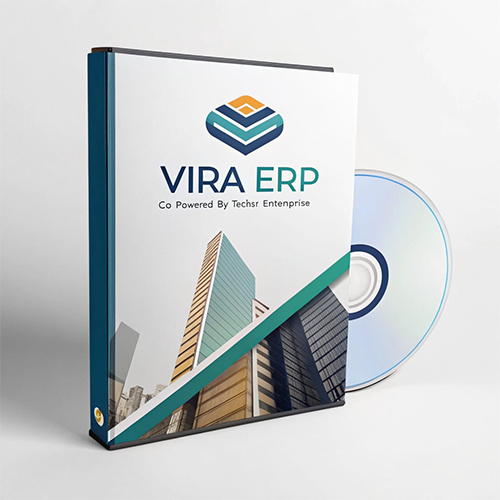
About Vira ERP Software for Institutes And Library
Vira ERP Software for Institutes and Libraries is a comprehensive management system designed to optimize administrative and operational tasks. Key components include student records management, course scheduling, library cataloging, inventory control, and financial tracking. Utilizing advanced cloud-based and automation technologies, it ensures seamless integration and real-time data updates. Used primarily in educational institutes, libraries, and training centers, Vira ERP enhances efficiency by streamlining student management, inventory tracking, and resource allocation. It benefits institutions by automating daily tasks, improving resource utilization, ensuring compliance, and providing insightful reports, ultimately boosting productivity and enhancing user satisfaction.
Versatile Deployment and Seamless UpdatesVira ERP Software caters to different IT infrastructures by providing flexible deployment options-cloud-hosted or on-premises installations. With automatic updates, users always benefit from the latest advancements without manual intervention, ensuring security and functional enhancements are consistently delivered for optimal performance.
User-Friendly Access and Advanced IntegrationThe intuitive web-based dashboard and multi-language support make Vira ERP accessible and straightforward to use. On both desktops and mobile devices (Android and iOS), users experience seamless management. The system easily integrates with biometric authentication, SMS/email gateways, and existing databases, optimizing institutional workflows.
Comprehensive Support and SecurityInstitutions benefit from a dedicated support system, including online, call, and remote assistance. Vira ERP prioritizes security through role-based access, data encryption, and detailed audit trails, ensuring compliance with government and educational IT standards. Reliable backup and recovery options further safeguard institutional data.
FAQ's of Vira ERP Software for Institutes And Library:
Q: How is Vira ERP deployed, and can it be used on both cloud and local servers?
A: Vira ERP offers the flexibility to be deployed either as a cloud-hosted solution or installed on your institution's on-premises server. This allows you to select the option that best matches your organization's IT policies and infrastructure requirements.
Q: What training and support are provided for users and administrators?
A: Vira ERP offers comprehensive training for both end-users and administrators, ensuring all stakeholders are confident in managing the software. Ongoing support is available via online assistance, remote help, and telephone support to quickly resolve any issues.
Q: When are software updates delivered, and do they require downtime?
A: Software updates are managed automatically-ensuring your system receives the latest features, security patches, and improvements without manual intervention or extended downtime, promoting seamless operations.
Q: What hardware and system requirements need to be met for on-premises installation?
A: For on-premises deployments, Vira ERP requires a standard PC or server with a minimum of 2GB RAM and 80GB HDD. The software supports Windows, Linux, and MacOS environments, ensuring wide compatibility with institutional hardware.
Q: How does Vira ERP integrate with other devices or platforms?
A: The platform easily connects with biometric devices, SMS/email gateways, and supports databases like MySQL, MS SQL, and Oracle. This integration streamlines communication, attendance tracking, and data management for your institution.
Q: What security features protect institutional data in Vira ERP?
A: Vira ERP emphasizes security through role-based access controls, data encryption, and maintaining an audit trail of activities. These robust features help keep sensitive academic and library information protected and ensure compliance with regulatory standards.
Q: What are the benefits of using Vira ERP for educational institutions and libraries?
A: Institutes and libraries utilizing Vira ERP enjoy automated management of academic and library operations, scalability to accommodate growing needs, in-depth reporting and analytics, and a user-friendly dashboard-all contributing to operational efficiency and data security.

 Send Inquiry





 Send Inquiry

 Send Inquiry